Global trade volumes keep climbing, but customs teams aren't growing with them. Qualified declarants are hard to find, and hiring your way out of the gap is both slow and expensive.
As a result, customs brokers and freight forwarders all face the same question: how do you process more declarations without taking on more compliance risk? AI is part of the answer, but only if you apply it the right way.
Why declarations are still so manual
A typical declaration starts with a stack of documents, such as invoices, packing lists, and bills of lading. First, the declarant hunts for the right data. Then they type it into the customs system, sometimes running it through an Excel pivot table along the way.
This way of working creates four problems:
- It's slow. After all, every line gets typed by hand.
- It's error prone. Retyping invites mistakes, and customs doesn't forgive them.
- It's risky. One miscalculation can mean a fine, a blocked shipment or even reputation damage.
- It wastes talent. In fact, your scarcest people spend their days copying data from one screen to another instead of tackling and overseeing the compliance side of customs.
The hard part: data spread across documents
What makes it harder is that information for one declaration rarely sits in one place. Prices are on the invoice, while weights are on the packing list. Other details, in turn, are buried in transport documents or certificates.
Reading a single document is easy for AI. The real work, however, is combining data from all of them at line level and turning it into correct tariff lines. That is exactly where most of a declarant's time goes, and therefore where automation pays off most.
Why full automation is the wrong goal
Many people assume AI means fully automatic. In customs, though, that's a liability.
Customs is a compliance business. Even a small error can lead to a fine or a delayed shipment, and your customer pays you precisely to avoid both. In other words, your reputation rides on every declaration.
For that reason, the right tool doesn't act as a black box. Instead, it shows where it found each value and how it got from the document to the structured data. The declarant then checks, adjusts, and approves. After all, speed only counts if the declaration is right, and if you can show why, it's right.
Extracted isn't the same as valid
Goods classification is a good example of why control matters. Every good you import or export needs a commodity code: eight digits for export and ten for import. If that code is wrong, the rest of the declaration doesn't matter.
That's why pulling a code off an invoice isn't enough. A reliable system also checks against the full nomenclature, so that the code is both relevant to the goods and valid. Even then, the declarant still makes the final call.
Will AI replace declarants?
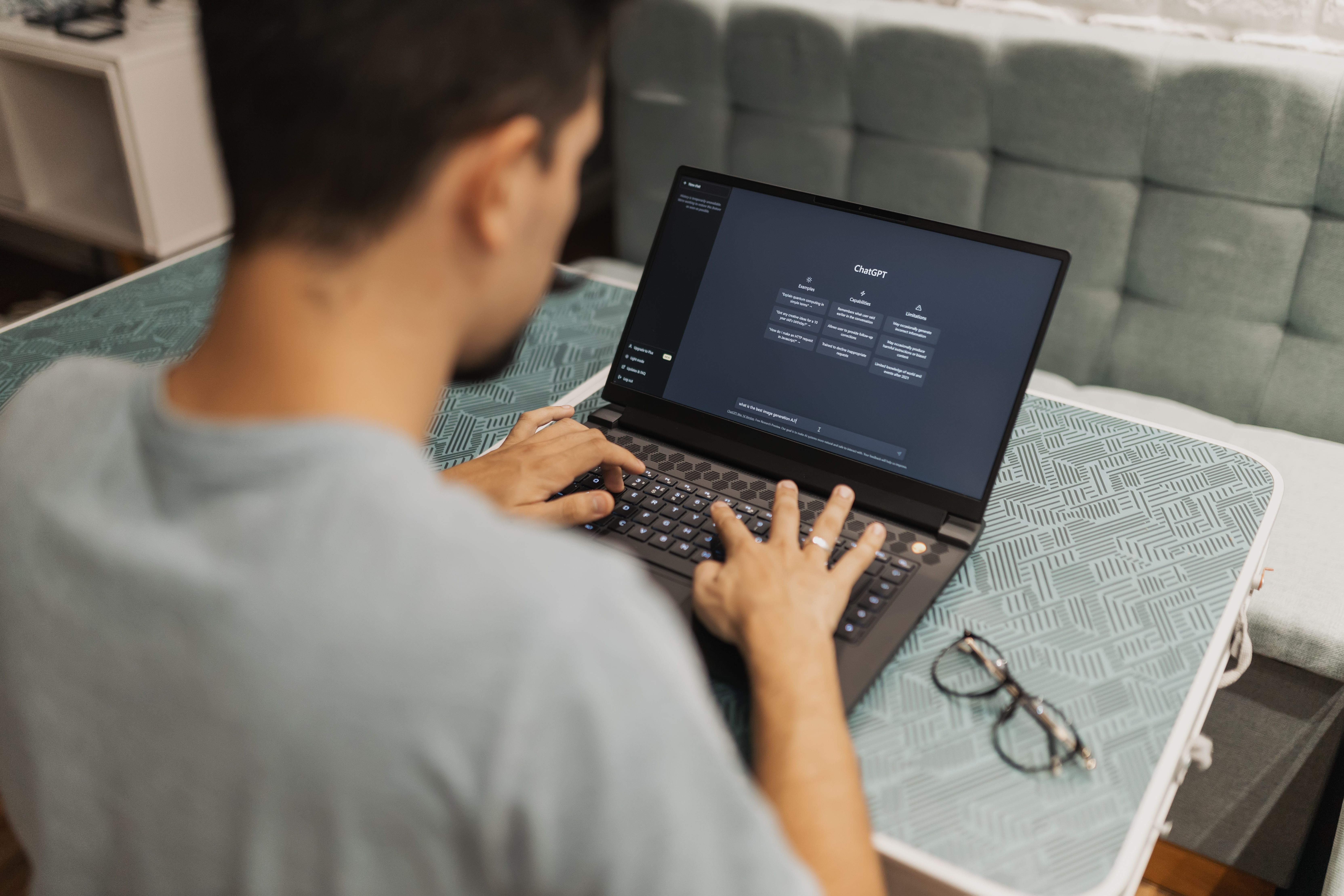
Most people already use ChatGPT, Gemini, or Copilot at work. Customs teams, on the other hand, remain wary of AI, and the fear behind that is simple: will it replace me?
The short answer is no. What AI replaces is copying and retyping. As a result, declarants get more time for what they're trained to do: handling complex cases, advising customers on legislation and keeping operations compliant. Their expertise therefore becomes more valuable, not less.
How to introduce AI in a customs team
The technology is only half the story; getting a team to trust it is the other half. Fortunately, a few principles make all the difference.
- Keep your current customs software. AI sits in front of your customs management system. Documents come in by email or API, and the finished declaration then goes to the system you already use.
- Plan backwards from go-live. First, fix the target date. Then schedule testing, integration and configuration, so that the full process works end to end on day one.
- Start small. There's no need to move every declarant at once. Instead, begin with two or three people and let them train the next group. A big-bang rollout is possible, but it's rarely a smart choice.
- Learn by doing it. Keep the theory short, because declarants build confidence by making real declarations.
- Expect support after launch. In the first weeks, weekly follow-ups and on-site training help new habits stick.
What changes after a few months
The time savings show up first. In the long run, however, the bigger win is consistency.
- One process, one standard. When every declaration follows the same route, every declaration also gets the same compliance checks.
- Line count stops mattering. With Customaite, a one-line declaration and a hundred-line declaration both take one to three minutes.
- More volume, same team. As a result, companies can take on new clients and bid for larger tenders without hiring first.
- Room for real work. Finally, specialists can spend their time on complex cases and customer advice.
The bottom line
Rising volumes won't wait for the labour market to catch up. The good news is that AI can close the gap, as long as your declarants stay in control, and every declaration stays traceable.
Want to see how that works in practice?



No Comments Yet
Let us know what you think